Jawline Before and After Braces: How Face Shape Can Change
Learn how braces may change your jawline, lips, and face shape, what before-and-after photos really show, and why results differ between adults and teenagers.


Table of Contents
20 SectionsSearches for “jawline before and after braces face shape” often lead to dramatic photographs. Braces can change how your mouth and lower face look, but they do not guarantee a sharper jawline. The result depends on which teeth move, how your bite changes, and whether your jaws are still growing.
That distinction matters when you are deciding about treatment. Straightening mildly crowded teeth is different from correcting protruding front teeth, and both differ from treatment that includes jaw surgery. Pictures may show all three without explaining what actually happened.
The most useful comparison starts with your own bite and profile. Understanding the roles of tooth position, lip support, and jaw structure helps you judge before-and-after claims and ask better questions. It also helps you recognize a successful result even when the biggest improvement is your smile rather than your facial outline.
Quick Answer
Braces may change facial appearance by moving teeth and altering lip support and bite relationships. Visible jawline changes vary with age, anatomy, and treatment. Braces alone do not reliably enlarge or reposition an adult jawbone. Major skeletal differences may need a separate approach, including jaw surgery in selected cases.
How Moving Teeth Can Change Facial Appearance
Your teeth help support the tissues around your mouth. When their position changes, your lips may rest differently, altering the relationship between your mouth, nose, and chin.
For example, moving protruding front teeth backward may reduce lip prominence. From the side, the chin can then look more balanced relative to the lips, even though the chin bone has not moved forward. This is one reason a profile photograph can suggest a jaw transformation that is mostly a change around the mouth.
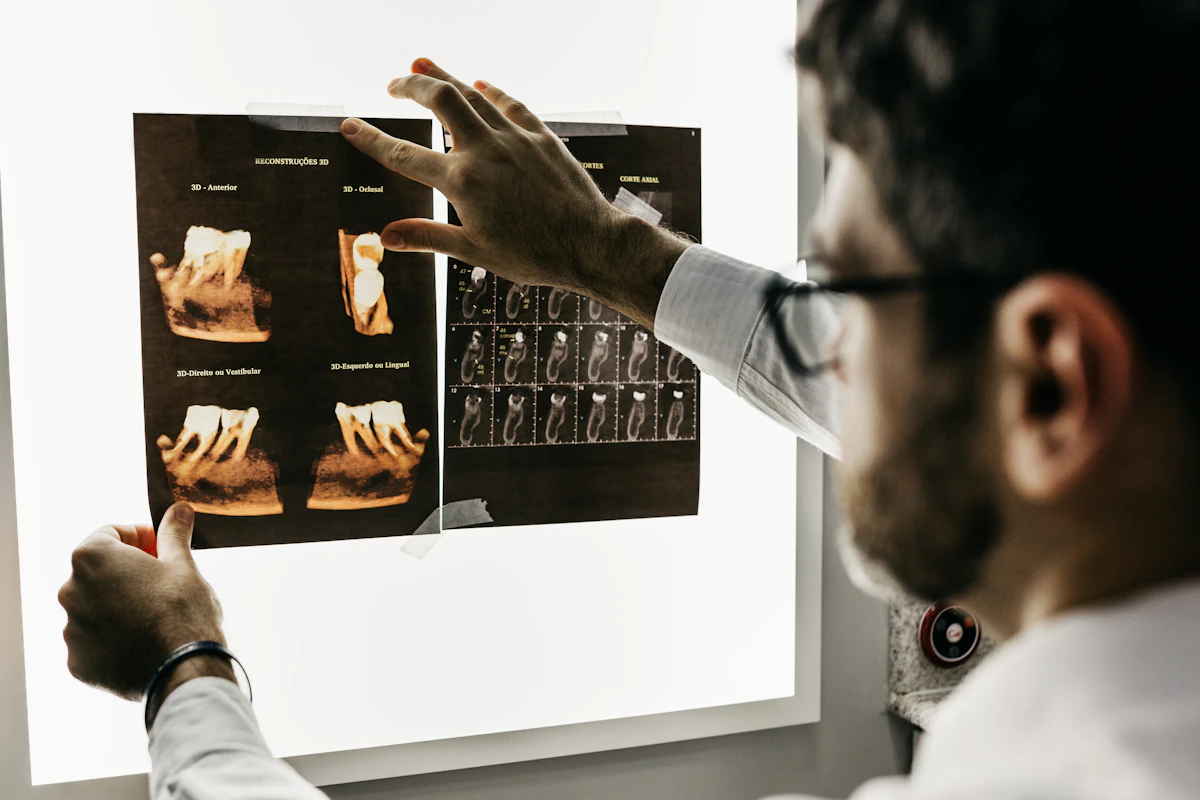
Figure 1: Specialized dental imaging demonstrates how orthodontic forces shift teeth within the alveolar bone without remodeling the basal mandible.
Braces apply controlled forces to move teeth through the bone that supports their roots. This local process should not be confused with reshaping the whole lower jaw, called the mandible, or repositioning the upper jaw, called the maxilla.
So, do braces change your face shape? Sometimes, but the change is usually better described in specific terms: less prominent lips, a different smile, or an altered lower-face profile. Saying that braces “change the face” without identifying the feature tells you little about what to expect.
What May Look Different Before and After Treatment?
A front-facing smile and a relaxed side profile reveal different things. Looking at both gives a more useful picture of facial changes after orthodontic treatment.
| Area | Possible Visible Difference | What the Difference Does Not Prove |
|---|---|---|
| Smile | Straighter teeth and different tooth display | The underlying jaw has changed size |
| Lips | Different support or prominence | Lip volume has increased or decreased |
| Chin appearance | A different balance between lips and chin | The chin bone has moved forward |
| Jawline | A changed impression of the lower-face outline | Braces have removed fat or sculpted bone |
| Symmetry | Better dental alignment around the smile | Every source of facial asymmetry has been corrected |
Clinical Reality: These visible variations are possibilities, not a checklist of expected results.
Someone with mild crowding may notice a clear improvement in their smile and almost no change when their mouth is closed. Another person whose front teeth protrude may notice more difference in profile. Neither outcome, by itself, tells you whether treatment was successful.
Cheekbone changes deserve particular caution. A photograph showing stronger cheek shadows does not establish that braces reshaped the cheekbones. Lighting, expression, growth, and changes in body weight can all complicate the comparison.
Why Your Starting Bite Matters
A malocclusion is a problem with how the teeth fit together. Its cause may involve tooth position, jaw structure, or both. That cause matters more than the label alone.
Overbite and protruding front teeth
Overbite describes the vertical overlap of the upper and lower front teeth. Overjet describes how far the upper front teeth sit ahead of the lower front teeth horizontally. People often call both an “overbite,” but they are different measurements.
When prominent front teeth contribute to lip protrusion, moving them can change the mouth’s profile. Correcting a deep bite addresses excessive vertical overlap; it does not automatically create the same appearance change. If a small or set-back lower jaw is the main issue, straightening the teeth does not necessarily correct that skeletal relationship.
Underbite
An underbite places the lower front teeth ahead of the upper front teeth. Some cases are mainly dental, while others involve differences in jaw size or position.
The American Association of Orthodontists explains that some underbites can be managed without surgery, while severe skeletal cases in adults may require a surgical approach. That is why two people with an underbite can have very different treatment plans and facial outcomes.
Open bite and crossbite
An anterior open bite leaves a gap between the front teeth when the back teeth meet. Correcting it can change how the front teeth meet and appear in the smile. Effects on facial height depend on the cause and treatment mechanics.
A crossbite is an abnormal sideways relationship between upper and lower teeth. Some cases involve a shift when the jaws close. Assessing that shift is different from assuming braces will correct an underlying difference between the two sides of the face.
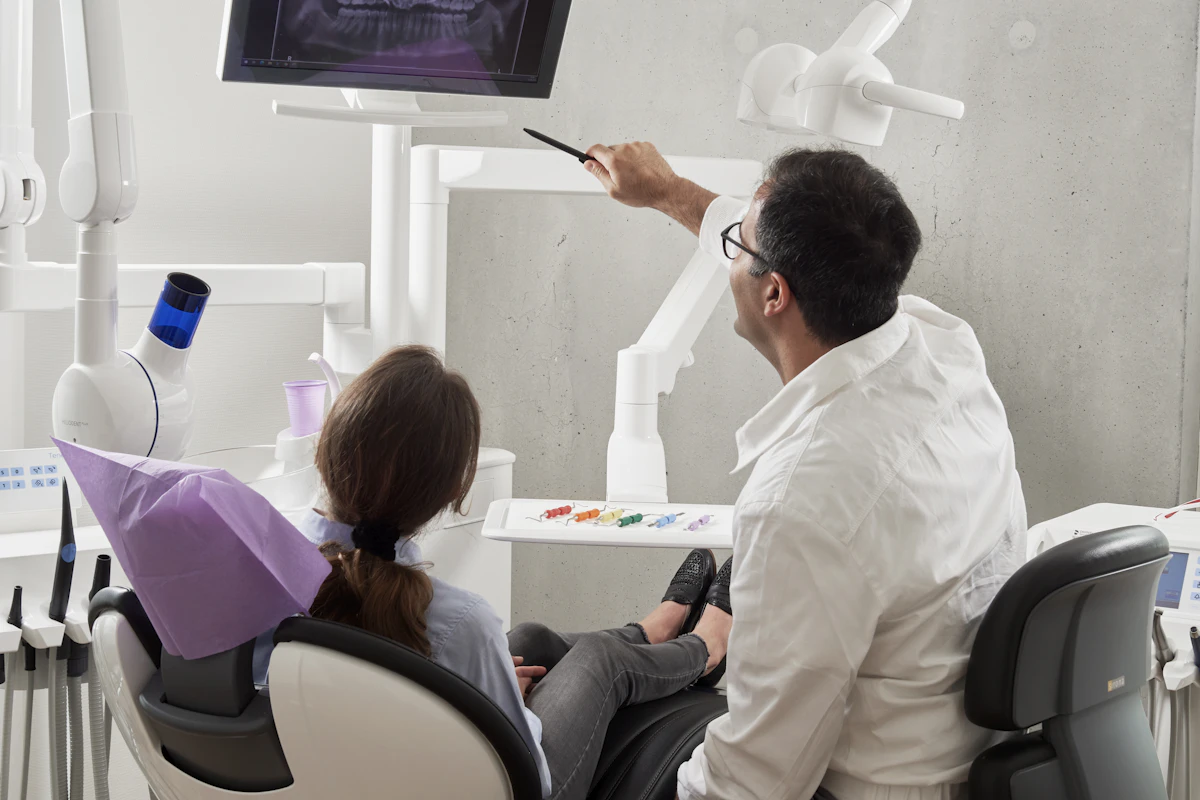
Figure 2: Clinical case discussions focus on starting bite classifications, evaluating whether discrepancies originate dentally or skeletally.
Do Braces Change Face Shape in Adults and Teenagers Differently?
Adults can have successful orthodontic treatment. Their teeth can move, and changes around the mouth may be visible. However, treatment planning cannot rely on the same remaining jaw growth that may be available in a child or teenager.
For younger patients, natural development also makes before-and-after pictures harder to interpret. A face photographed several years apart may mature during the same period as orthodontic treatment. The entire difference cannot automatically be credited to braces.
Selected growing patients may use functional appliances, such as a Twin Block, as part of their care. These should not be confused with ordinary fixed braces. The British Orthodontic Society explains that functional appliances act substantially through tooth movement and cautions against assuming lasting, major changes in lower-jaw position.
Age alone still cannot predict your result. An adult with protruding teeth may notice more profile change than a teenager treated for minor crowding. The starting problem, planned movement, and individual anatomy remain central.
A useful consultation should explain what treatment is expected to change at your current stage of growth, rather than promising a general “facial transformation.”
Braces Alone, Extractions, and Jaw Surgery Produce Different Comparisons
Before accepting a result as evidence of what braces can do, find out what else was included.
With braces alone, treatment primarily changes tooth positions and bite relationships. Orthodontic camouflage means using tooth movement to compensate for a jaw discrepancy without surgically correcting the jawbones. It may suit selected cases, but it has limits.
Extractions introduce another distinction. Teeth may be removed to create space when the treatment plan requires it. If that space is used to retract front teeth, lip position can change. Removing teeth alone does not tell you how the finished face will look; the subsequent movement matters.
Research comparing extraction and nonextraction treatment has found differences in lip retraction, but group averages do not predict an individual’s appearance. Whether a change is desirable depends partly on the starting profile and goals. Neither “extractions always ruin faces” nor “extractions always improve profiles” is a sound rule.
Orthognathic surgery is different again: it repositions jawbones. The British Orthodontic Society describes it as treatment that can change both the bite and facial profile. A result achieved with braces and surgery should therefore be labeled as a combined treatment outcome.
Before agreeing to extractions or a major treatment plan, ask how the proposed approach relates to your own profile concerns and what alternatives are reasonable.

Figure 3: Objective photographic assessment requires a relaxed posture and consistent head orientation without chin tilting.
How to Read Braces Side Profile Before and After Photos
When reviewing “jawline before and after braces face shape” results, start with the conditions under which the photographs were taken. A flattering image is not a measurement.
Use these checks:
- Match the view: Compare straight-on with straight-on and side profile with side profile. A three-quarter angle can hide or exaggerate differences.
- Check head position: Tilting the chin upward changes the outline beneath the jaw. Turning the face slightly also changes what is visible.
- Compare relaxed expressions: A broad smile, pursed lips, and relaxed lips create different facial contours.
- Look for similar lighting and distance: Strong shadows or a close phone camera can alter the apparent shape of the face.
- Read the treatment details: Check for surgery, extractions, other appliances, and the patient’s age in each picture.
- Consider the time between images: Growth, aging, and weight changes may contribute alongside treatment.
For your own progress, ask whether your orthodontist has standardized facial photographs. These provide a more useful comparison than trying to reproduce an old selfie.
A simulation can help explain a proposed plan, but ask what it actually models. A tooth-position preview should not be treated as a guarantee of the final appearance of your lips, cheeks, or jawline.
Figure 4: Clinical diagnostic suites enable orthodontists to take standardized pre- and post-treatment records.
When Will You Notice Changes, and What Should You Ask?
There is no reliable month when everyone’s face starts to look different. Visible tooth alignment may improve before the bite correction or space closure that matters most to your profile. Some people notice little change outside their smile throughout treatment.
Ask about milestones tied to your plan: which movements are happening first, which may affect lip support, and when it makes sense to compare photographs. Looking at progress this way is more useful than checking your jawline every day.
Bring a clear description of your concern to the consultation. “My lower lip looks prominent in profile” gives the orthodontist more to assess than “I want a better face shape.” Photographs can help explain the concern, but an examination is needed to identify its cause.
Essential consultation questions:
- Anatomical source: Is my concern mainly related to tooth position, jaw structure, or soft tissue?
- Expected changes: What changes do you expect in my smile and relaxed profile?
- Limitations: Which features are unlikely to change?
- Treatment modalities: Would extractions, other appliances, or surgery affect those expectations?
- Success metrics: How will we assess the result beyond whether my teeth look straight?
The AAO describes clinical examination, photographs, scans or impressions, and appropriate X-rays as parts of orthodontic assessment. These records help turn a general cosmetic concern into a discussion of your actual anatomy and bite.
Frequently Asked Questions
Do braces make your jawline sharper?
They may change the impression of your lower face, particularly when tooth movement alters lip prominence. However, do braces change your jawline in a predictable, sculpting way? No. Jawbone shape and overlying tissues also affect definition, so a sharper outline should not be promised as a routine result of straightening teeth.
Can braces fix a recessed chin in adults?
Braces may improve the balance between the lips and chin when tooth position contributes to the concern. They do not reliably bring a recessed adult chin bone forward. An assessment needs to distinguish a dental problem from the position or shape of the lower jaw and chin before discussing suitable options.
Do braces make your face look slimmer?
A changed smile or lip position may make the lower face appear different, but braces are not a facial slimming treatment. If before-and-after pictures show a narrower face, consider differences in weight, age, pose, and lighting. The images alone cannot show how much of that difference came from orthodontic care.
Will my lips look smaller after braces?
Their position may change, especially if protruding front teeth are moved backward. Reduced prominence is different from loss of lip tissue or volume. The response varies with the planned tooth movement and your soft tissues. Ask specifically about lip support if keeping or reducing your current profile is a treatment priority.
Can braces improve facial asymmetry?
They can address some dental contributors, such as a displaced dental midline or certain bite relationships. That does not mean they can correct every difference in the jawbones or soft tissues. An uneven smile and skeletal facial asymmetry need different assessments, even when they seem similar in a photograph.
Will clear aligners change my face less than braces?
The appliance name alone does not determine facial change. Clear aligners and fixed braces both move teeth, but their suitability depends on the movements and bite correction required. Compare the actual treatment plans and expected profile effects rather than assuming that a less visible appliance must produce a smaller facial change.
Are facial changes after braces permanent?
Retainers help maintain tooth alignment, and most patients need them after active treatment. They do not freeze facial appearance: growth and aging continue, and tooth positions can change without appropriate retention. Follow the prescribed retainer plan and ask for a review if the appliance stops fitting or your bite seems different.
Set Expectations Around Your Own Starting Point
The most useful answer to “jawline before and after braces face shape” is specific to the problem being treated. A straighter smile, reduced lip prominence, and a surgically repositioned jaw are different outcomes, even when online photographs place them under the same label.
Ask your orthodontist to explain the expected change in each feature that matters to you. A plan that connects your tooth positions, bite, and profile to realistic goals is a better basis for deciding than someone else’s most dramatic photograph.
Anam Ahsan
SEO Expert & Web Strategist
Focused on making practical styling choices with clear, privacy-conscious technology. Passionate about empowering individuals to understand facial geometry, bite dynamics, and personalized aesthetic harmony.
Want to Know Your Exact Face Shape?
Identify your jawline angle, cheekbone prominence, and face proportions in seconds. 100% on-device processing—your photo never leaves your browser.
Detect My Face Shape FreeRelated Articles
Explore more expert guides on face shapes, styling, and profile harmony.
 Glasses
 Glasses for Long Face Shapes: The Best Frames and Fit
Find the best glasses for long face shapes, from square and cat-eye to aviator frames, plus practical advice on width, bridge, lens depth, and fit.
 Face Shapes
 Oval Face Shape Guide (2026): Hair, Glasses & Styling
Have an oval face? This complete guide covers the best hairstyles, glasses, beard styles, and makeup for oval faces — plus how to measure your shape.
 Face Shapes
 Square Face Shape: Hair, Glasses & Styling Guide
Have a square face? See the best hairstyles, glasses, beard styles, and makeup for a strong jaw — plus how to measure and confirm your face shape.